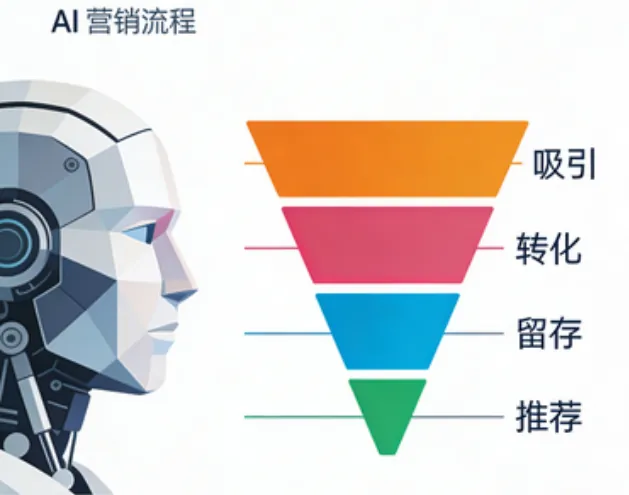
Search habits have changed more in the last three years than in the previous fifteen. People no longer type two keywords and scan ten blue links. They ask a full question and expect one considered answer. Beijing ANMEI Technology was built around that shift, and generative engine optimization is the service that came out of it.
Traditional search was designed for a world where the user did the filtering. Modern assistants do the filtering for them, which means the question is no longer "do I rank" but "am I the source that gets quoted". Those are different problems, and they need different work.
GEO is the response to that. It reads the intent behind a query and produces content that matches it closely enough to be selected as the answer. For companies that get this right, the payoff is not just more traffic — it is better-qualified traffic arriving with context already established.
What GEO actually changes
A well-run GEO programme does three things at once. It improves how relevant and accurate your content is to a real query, which lifts the user's experience of your brand. It turns your content into a signal of competence, because being cited is itself a form of third-party validation. And it does this at a lower marginal cost than buying equivalent reach through conventional channels.
That last point is the one finance teams care about. When content is structured so that assistants can reuse it accurately, the same asset keeps producing value across many queries rather than being spent once as an ad impression.
Where operations coaching fits
Technology alone rarely changes a marketing function. ANMEI also runs an operations coaching service that works alongside the client's team: market analysis, strategy definition, then execution and monitoring. The point is to build capability inside the business rather than delivering a report and leaving.
Coaching engagements are shaped around the client's actual growth targets, so the plan reflects how their business works rather than a generic marketing playbook.
And PR
GEO determines whether you can be cited; PR determines how many authoritative places are willing to cite you. Our PR work covers brand communications and reputation management — media relationships, campaign planning, and the execution that turns them into coverage. That applies whether the goal is a product launch, a reputation issue, or long-term brand building.
Run together, the three services reinforce each other: structured content gives the media something accurate to work with, coverage adds external sources that models can draw on, and coaching keeps the whole thing running after we hand it over.